Shyam Kemicals: Brand Identity and Web Optimization
This was a two-month freelance project from November 2024 to January 2025. A chemical manufacturing company needed a complete brand overhaul and web presence. The scope was interesting – not just building a website, but creating their entire brand identity from scratch and then optimizing it for search and performance.
Brand Identity Development
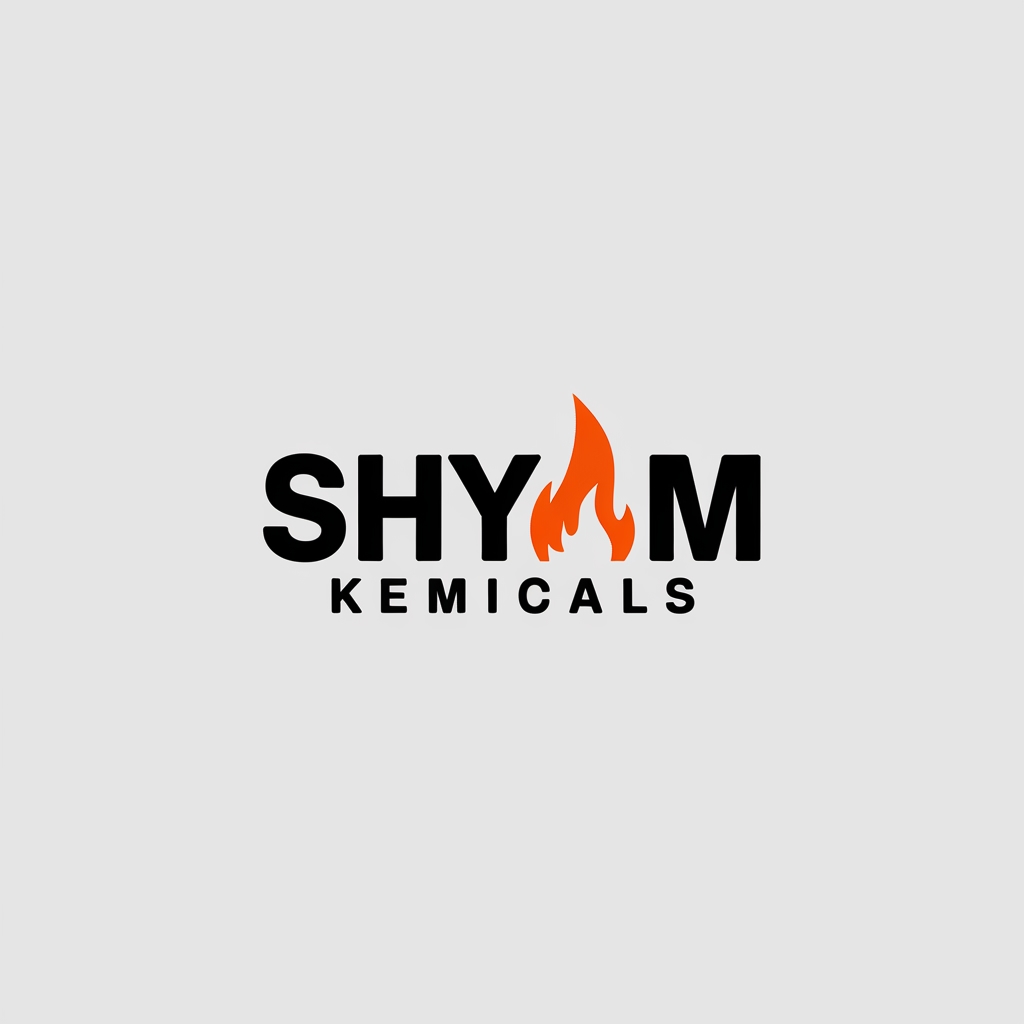
The first challenge was designing their brand identity. Logo, color scheme, typography, visual guidelines, the whole package. Humaira Ambreen handled all the design work here. She created the logo, established the brand colors, designed the visual system that would be consistent across all their materials.
Her approach was methodical. Understanding what the company does, who their customers are, what feeling the brand should convey. Chemical manufacturing isn't the most exciting industry visually, but the brand identity she created was clean, professional, trustworthy. Exactly what a B2B chemical company needs to project.
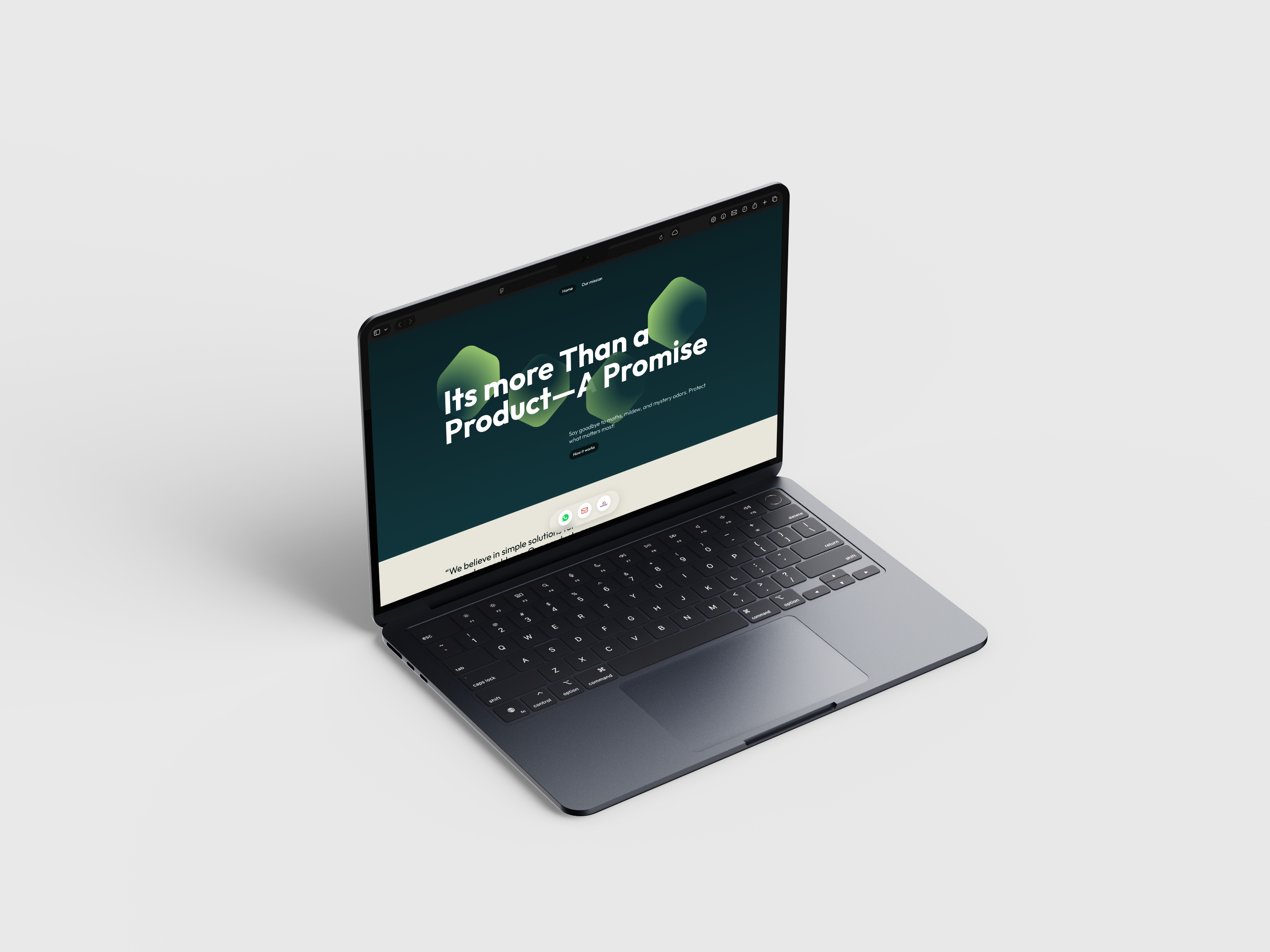
I took her brand guidelines and implemented them across their web presence. Every color, every font size, every spacing decision matched the design system she created. Consistency in brand presentation matters when you're trying to establish credibility.
Static Site Architecture
The website itself is a static site. No backend server, no database, no dynamic content generation. Just HTML, CSS, and JavaScript files. For this use case, that's perfect. A chemical manufacturing company doesn't need user accounts or real-time features. They need information presented clearly with fast load times.
Static sites have advantages. No server to maintain. No database to secure. No backend code that can break. Just files hosted on a git repository. The simplicity is the strength.
The challenge with static sites is making them feel dynamic and engaging despite being fundamentally simple. That's where GSAP and smooth scrolling come in.
GSAP and Animation Implementation
Used GSAP for animations throughout the site. Scroll-triggered animations that reveal content as users navigate down the page. Smooth transitions between sections. Subtle motion that adds polish without being distracting.
GSAP's ScrollTrigger plugin handles all the scroll-based animations. Elements fade in, slide in, or scale up as they enter the viewport. The timing and easing curves are tuned to feel natural, not robotic. This is what makes the site feel modern and engaging.
Smooth scrolling implementation gives the site that premium feel. When you click a navigation link or scroll down the page, it's not a jarring jump. It's a smooth transition that guides your eye. Implemented using Locomotive Scroll for that buttery-smooth scrolling experience you see on high-end agency websites.
These animation libraries add some JavaScript weight but the user experience benefit is worth it. A chemical manufacturing site doesn't have to feel boring just because the industry is technical.
Performance Optimization
Getting a Lighthouse score above 95 required proper optimization work. Lazy loading for images below the fold so they only load when the user scrolls to them. This keeps initial page load fast even though the site has visual content.
CSS and JavaScript minification. Removing unused code. Inlining critical CSS so the initial render doesn't wait for stylesheet downloads. Deferring non-critical JavaScript including the GSAP library until after the page loads.
The result was page load times under 2 seconds. Fast enough that users don't notice they're waiting. That's the goal – invisible performance even with animations running.
Lighthouse scores above 95 across all categories. Performance, Accessibility, Best Practices, SEO. The kind of scores that actually mean something because they translate to better user experience and better search rankings.
SEO Implementation
Getting a chemical manufacturing company to rank in search results requires understanding their market and implementing proper technical SEO.
Semantic HTML5 throughout. Proper heading hierarchy. Meta descriptions for every page tailored to search intent. Title tags optimized for keywords without keyword stuffing. Structured data markup using JSON-LD so search engines understand what the company does and what products they offer.
Sitemap generation and submission to Search Console. Robots.txt configured properly. Canonical URLs to avoid duplicate content issues. Open Graph tags for social sharing. All the technical SEO fundamentals implemented correctly.
Content optimization based on keyword research. Understanding what terms potential customers actually search for when looking for chemical suppliers. Writing page content that targets those terms naturally while still being useful to humans. SEO isn't about gaming search engines, it's about making your content discoverable for the people who need it.
The site started ranking for relevant industry keywords. Not overnight, SEO takes time. But steady improvement in search visibility over the project duration.
Google Ads Campaign Management
Here's where the project got interesting from a learning perspective. The client had a monthly budget of ₹50,000 for Google Ads. My job was to configure and manage campaigns that actually delivered results.
This wasn't something I knew how to do beforehand. Had to learn campaign structure, keyword selection, ad copy writing, bid strategies, conversion tracking, all of it.
Campaign Structure
Set up search campaigns targeting specific chemical products and manufacturing services. Organized ad groups around related keywords. Wrote ad copy that matched search intent and highlighted unique selling points.
Landing page optimization to match ad messaging. If the ad mentions a specific chemical product, the landing page needs to immediately show that product. Reducing friction between the ad click and the conversion action.
Conversion tracking setup through Google Analytics. Defining what counts as a conversion for a B2B chemical manufacturer. Could be a contact form submission, a phone call, a quote request. Tracking these actions so we could measure campaign effectiveness.
Performance Results
Achieved a 3.2% click-through rate which is solid for B2B industrial advertising. Reduced cost-per-acquisition by 45% through continuous optimization of bids, ad copy, and targeting.
The learning curve was steep. Understanding quality scores, ad rank, bidding strategies, audience targeting. Running experiments to test different approaches. Analyzing data to figure out what's working and what's not.
Budget management across campaigns. Allocating more budget to high-performing keywords and pausing or adjusting underperforming ones. The goal isn't spending the entire budget, it's getting the best return on ad spend.
Technical Stack
Static site built with vanilla HTML, CSS, and JavaScript. No framework overhead. No build process complexity. Just clean, fast code.
CSS organized with custom properties for the design system. Maintaining consistency through variables for colors, spacing, typography. Making updates easier because changing a brand color means updating one variable, not hunting through hundreds of lines of CSS.
JavaScript for interactive elements and animations. GSAP for scroll-triggered animations and smooth transitions. Locomotive Scroll for that premium smooth scrolling feel. Contact forms with validation. The functionality that enhances the user experience.
Deployment on standard web hosting with the files saved in a git repository. SSL certificate for HTTPS. Basic security headers. Nothing complicated, just proper web hosting configured correctly.
What I Learned
This project forced me to learn the entire digital marketing side of web development. SEO isn't just technical implementation, it's understanding user intent and search behavior. Google Ads isn't just setting up campaigns, it's continuous optimization based on performance data.
Working with a client in the chemical manufacturing industry taught me how to communicate technical concepts to non-technical stakeholders. They don't care about Lighthouse scores or lazy loading. They care about their website loading fast and customers finding them in search results. Learning to translate technical work into business value.
Brand implementation from design guidelines taught me the importance of consistency. Every element on the site following the same design system creates a professional, cohesive experience. Attention to detail in spacing, colors, typography makes the difference between a site that looks professional and one that looks amateur.
Performance optimization techniques that actually work in production. Theory is easy, implementation is harder. Getting a real site to load in under 2 seconds with a 95+ Lighthouse score requires understanding every optimization technique and applying them correctly.
The Design Collaboration
Working with Humaira on the brand identity was crucial. She created design assets that were not just visually appealing but also practical to implement. Logo variations for different contexts. Color palettes with specific hex values. Typography choices that worked across different weights and sizes.
The brand guidelines she created became the foundation for everything. When implementing the website, every design decision referred back to those guidelines. That consistency is what makes a brand feel professional and established.
Her understanding of what makes good B2B design versus B2C design showed in the final result. Chemical manufacturing companies need to project reliability and expertise, not flashy creativity. The design system reflected that understanding.
Business Impact
The project had its challenges. Multiple revision requests from the client as their requirements evolved. Things they wanted changed, features they wanted added, design decisions they wanted adjusted. This is where patience becomes a crucial skill in freelance work.
Each change request meant going back to Humaira for design updates, then re-implementing those changes in code. Sometimes it was small tweaks to colors or spacing. Sometimes it was restructuring entire sections. That's the reality of client work – requirements change as they see the product taking shape.
But here's the thing – at the end, the client absolutely loved the site. They were genuinely happy with what we delivered. The SEO performance reached the level they wanted. Their site was ranking for the keywords that mattered to their business. The brand identity felt professional and established. The site loaded fast and looked modern with the smooth scrolling and animations.
That satisfaction is what makes the revision cycles worth it. You can have the cleanest code and the best optimization in the world, but if the client isn't happy, the project isn't successful. They got what they needed and they were thrilled with it.
The Google Ads campaigns are delivering qualified leads at a cost-per-acquisition 45% lower than before. The website presents their business professionally and performs well in search results. For a two-month project with multiple revisions along the way, that's solid delivery.
From my perspective, this project expanded my skill set beyond just coding. Understanding SEO, Google Ads, brand implementation, performance optimization, client communication – all skills that make you more valuable as a freelance developer.
Current Status
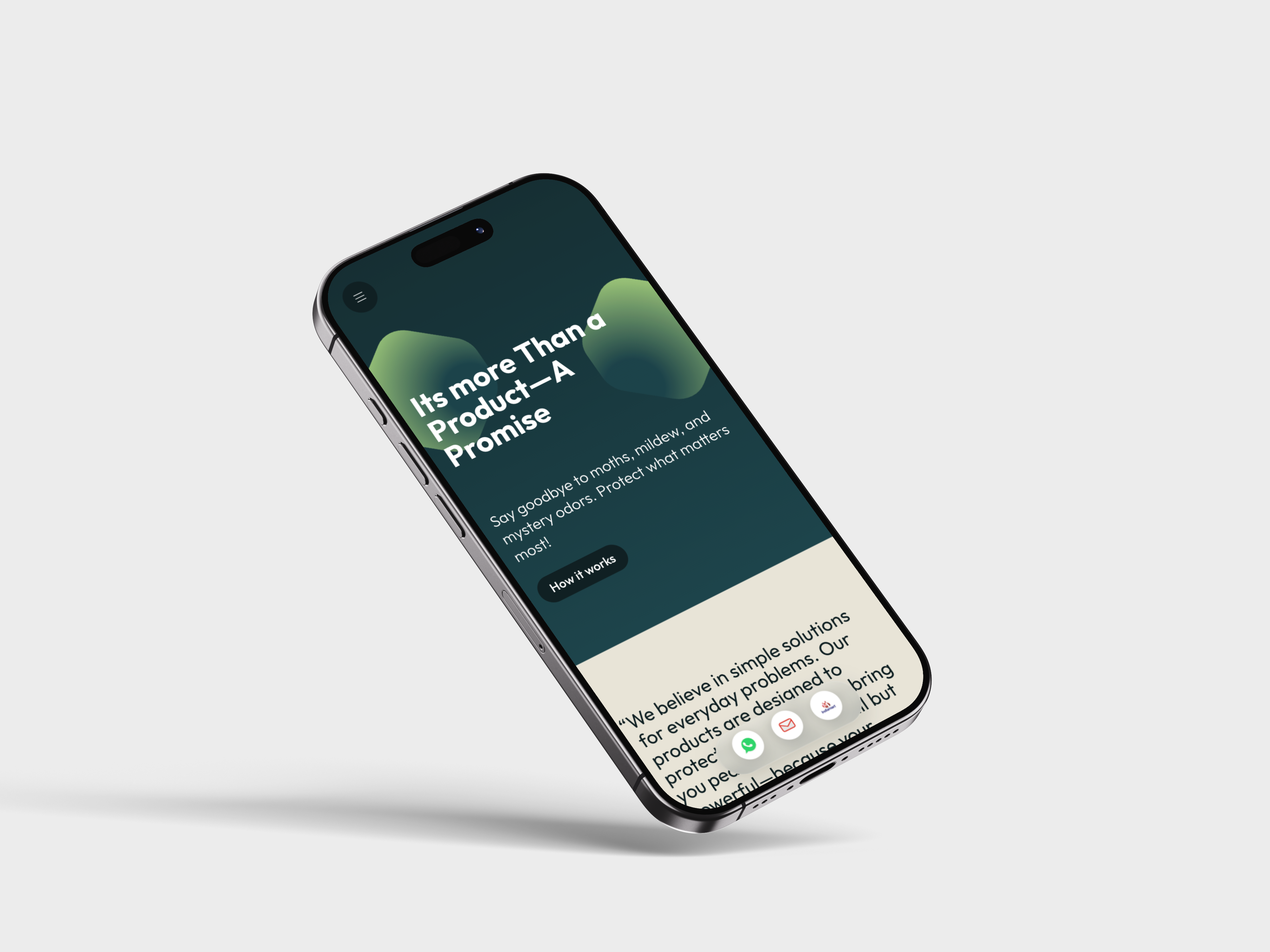 The site is live at shyamkemicals.com. Fast loading, well-optimized, ranking for relevant keywords. The Google Ads campaigns continue running with the optimization strategies we implemented.
This kind of work – combining brand design, web development, performance optimization, SEO, and paid advertising – is exactly what small and medium businesses need. They don't need a massive agency, they need someone who can handle the full stack of digital presence and actually deliver results.
That's what this project proved. Two months, one developer working with a talented designer, delivering complete digital transformation for a manufacturing company.